
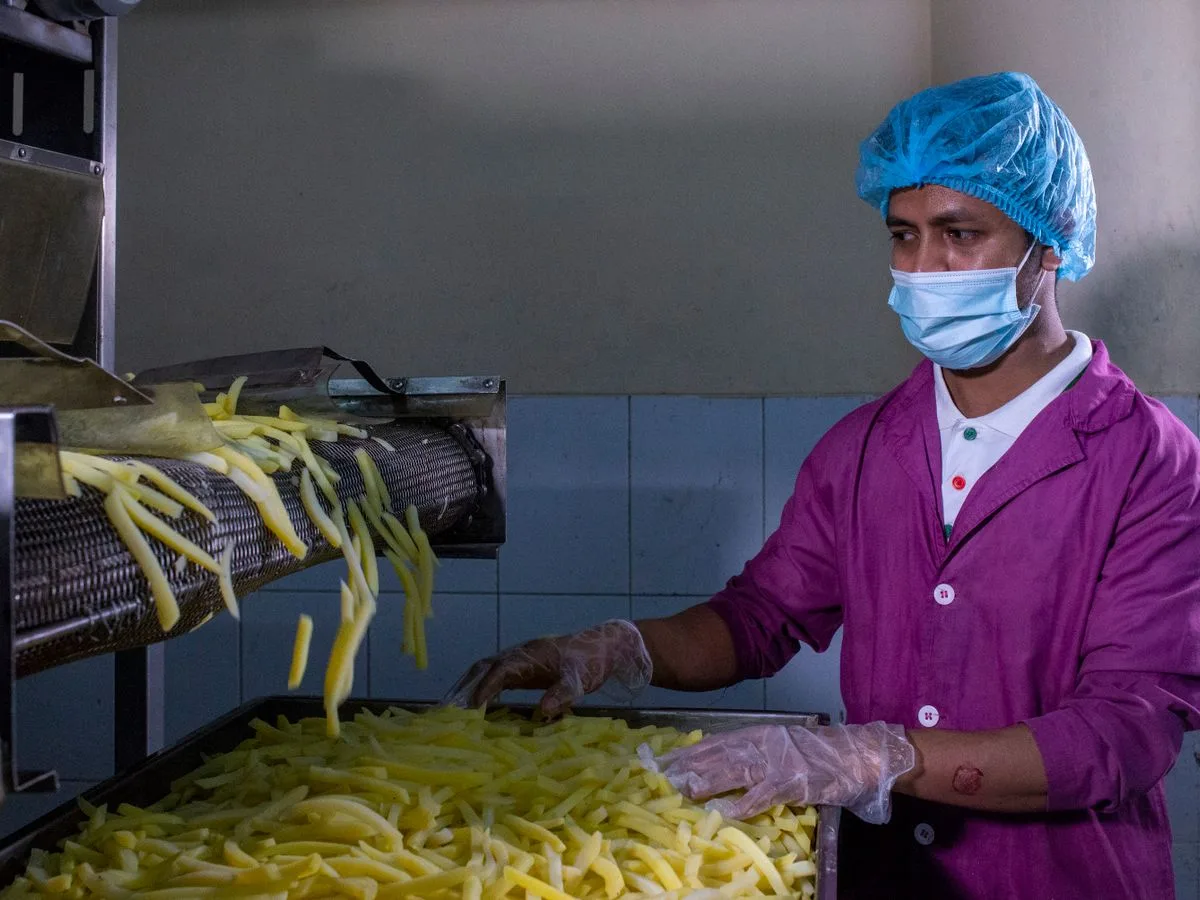
Food processing and preservation is one of the least visible parts of the supply chain, and one of the most heavily scrutinised once something goes wrong. For suppliers of meat, fish, and juice products operating in the Kingdom, hygiene and preservation practice is not a back-office detail — it is the core of the product itself. Below is a practical overview of the standards that matter most.
Why Preservation Standards Matter
Preservation methods like drying, canning, smoking, and salting exist to control the same set of risks: bacterial growth, spoilage, and contamination during storage and transport. Getting these processes right is what allows a product to travel from a processing facility to a shelf, a restaurant, or a household kitchen safely, days or weeks after it was prepared. Getting them wrong creates risk that no amount of attractive packaging can hide.
Meat and Meat Products: Drying and Canning Done Right
Meat preservation through drying and canning depends on tight control of temperature, moisture, and processing time. Drying must reduce moisture content enough to inhibit bacterial growth without compromising the product, while canning relies on proper sealing and heat treatment to eliminate contamination risk inside the container. Suppliers should be able to demonstrate consistent process controls at every batch, not just when it is convenient.
Fish and Fish Products: Controlling Time, Temperature, and Salt
Fish is more perishable than most meat products, which makes the window between catch and preservation critical. Whether the method is drying, smoking, or salting, the goal is the same: reduce the time fish spends at unsafe temperatures and apply preservation techniques consistently enough that every batch — not just the first — meets the same standard.
Juice Production and Hygiene From Source to Bottle
Fruit juice production carries its own hygiene demands, from the condition of the fruit itself through washing, extraction, and bottling. Cross-contamination risk and cleanliness of equipment matter as much here as temperature control does for meat and fish, and suppliers should treat hygiene protocols as a continuous discipline rather than a pre-inspection checklist.
Building Trust Through Consistency
The common thread across meat, fish, and juice preservation is consistency: the same standard, applied to every batch, every day, not only when an inspection is expected. At Layl Azlam Establishment, our Food Processing & Preservation division is built around that principle — because in food supply, reputation is built one consistent batch at a time.